
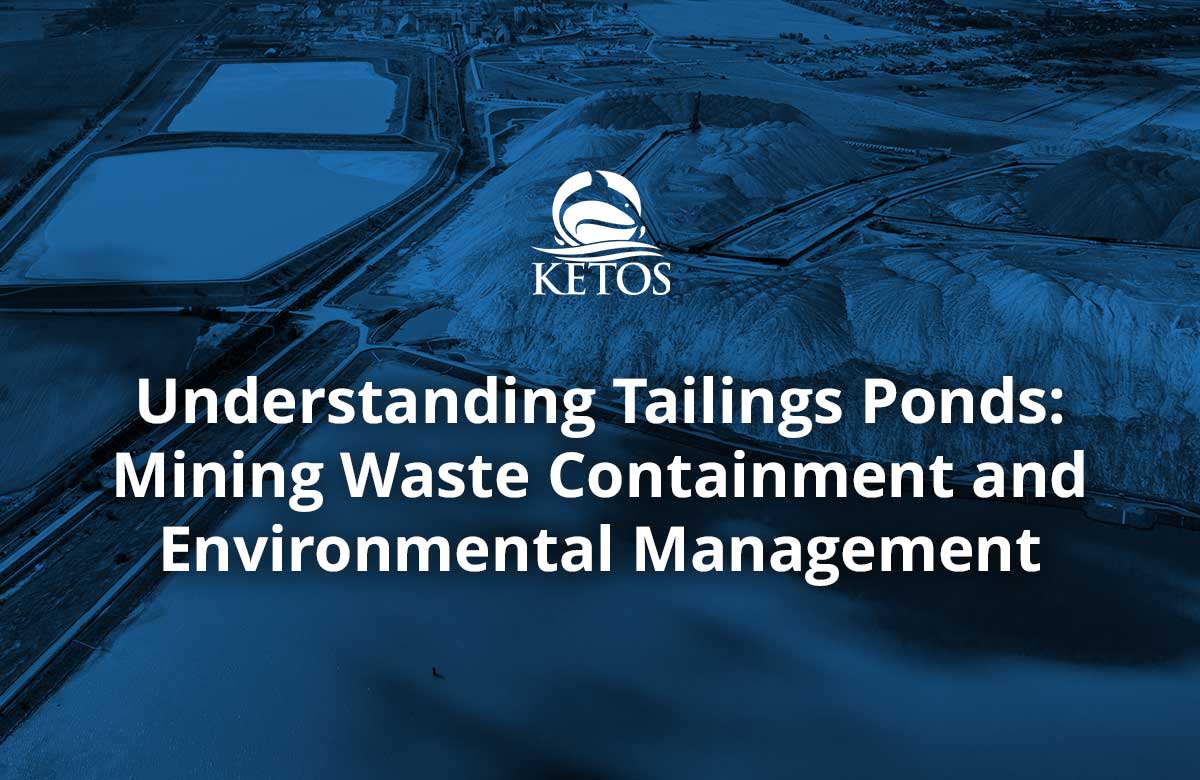
Tailings ponds are a critical element of modern mining operations, designed to safely store and manage the waste materials generated during ore extraction. These structures play a key role in controlling mining wastewater and minimizing environmental contamination. Robust containment systems and proactive environmental management are essential to tackling the challenges posed by mining waste.
What Is a Tailings Pond?
A tailings pond is a specialized storage facility that contains waste materials, known as tailings, produced during mining operations. Tailings, often combined with water to form a slurry, are transported to these ponds for controlled containment and management.
The design of a tailings pond may include a tailings dam, which provides additional structural stability. Depending on the type of waste being stored, these facilities can function as temporary holding areas or long-term storage solutions to manage mining byproducts effectively.
Tailings Ponds: A Key Asset to Mining Operations
Tailings ponds are vital infrastructure in mining operations, functioning as storage facilities for waste materials produced during mineral extraction and processing. These ponds, often consisting of large earthen dams, are designed to safely contain a mixture of water and mining residues, which may include toxic chemicals and heavy metals.
In addition to waste containment, tailings ponds serve as critical components of water management in mining operations. They temporarily store byproducts in liquid, solid, or slurry form, simplifying the handling and treatment of these materials. Furthermore, these ponds retain a significant portion of the water used during extraction processes, underlining the need for efficient strategies to recover and reuse this valuable resource within the mining cycle.
Need real-time water quality monitoring?
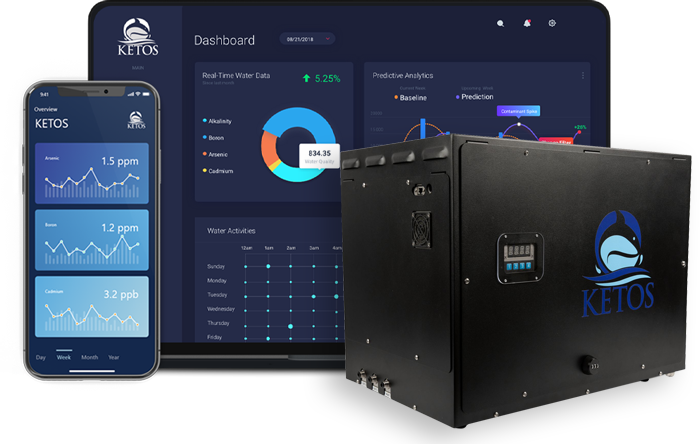
KETOS SHIELD continuously monitors 30+ parameters — replacing manual testing with automated, lab-accurate data.
Schedule a Demo →Environmental Concerns Associated with Tailings Ponds
While tailings ponds are vital for managing mining waste, they can pose significant environmental risks if not managed properly. These risks include water contamination; soil and air pollution; and disruptions to biodiversity. A summary of the key concerns is presented below:
| Category | Key Concerns | Potential Impacts |
| Water Contamination |
|
|
| Soil and Land Degradation |
|
|
| Air Pollution |
|
|
| Biodiversity and Ecosystem Disruption |
|
|
| Tailings Dam Failures |
|
|
Mitigating Environmental Risks
Addressing these risks requires implementing strict design standards, regular maintenance, and advanced monitoring technologies. Strategies include:
- Using high-density thickened tailings and innovative sludge treatment methods to reduce environmental hazards.
- Implementing reclamation techniques such as soil treatment, planting stabilizing vegetation, and restoring habitats.
- Continuous monitoring to detect and promptly address potential leaks or failures.
Reclamation of Tailings Ponds
Reclaiming tailings ponds is a critical process aimed at restoring ecosystems and preparing land for future use after mining activities have ceased. This process addresses both the physical and chemical challenges associated with tailings, ensuring the environment can sustain vegetation and wildlife.
Challenges in Reclamation
Reclamation efforts face numerous obstacles due to the unique characteristics of tailings. These challenges stem from both chemical and physical limitations, which can complicate the restoration process and impact the success of vegetation and ecosystem recovery.
| Type of Limitation | Description | Impact |
| Chemical Limitations | Tailings often have low organic matter and high concentrations of heavy metals. | Reduces soil fertility, making plant growth challenging. |
| Physical Limitations | The texture and structure of tailings differ significantly from natural soil. | Requires additional measures for soil stability and vegetation support. |
Reclamation Techniques
Restoring tailings ponds to a usable and environmentally friendly state requires a multi-faceted approach. Engineering, biological, chemical, and aquatic measures are implemented together to address the unique challenges of each site. Below is a summary of these techniques:
| Type of Measure | Techniques | Purpose |
| Engineering Measures |
|
Reconstruct soil and minimize erosion while limiting pollutant migration. |
| Biological Measures |
|
Support plant growth and prevent soil degradation. |
| Chemical Measures |
|
Improve soil conditions and reduce harmful chemical activity. |
| Aquatic and Riparian Measures |
|
Protect aquatic ecosystems and ensure safe water release. |
Goals of Reclamation
The ultimate aim of reclamation is to restore tailings ponds to a state that minimizes environmental harm and enables productive land use. Efforts such as neutralizing pollutants and stabilizing the soil have shown measurable success when combined with comprehensive planning. For example, employing advanced techniques like real-time water quality monitoring or bioremediation can further enhance the reclamation process.
Reclaiming tailings ponds requires a comprehensive approach that integrates engineering, biological, and chemical strategies. Ongoing monitoring and innovative technologies are essential for ensuring long-term stability and safety of reclaimed areas.
The KETOS Solution for Water Monitoring in Tailings Ponds
Effectively managing tailings ponds requires advanced tools to ensure water quality, prevent contamination, and maintain compliance. KETOS delivers innovative solutions tailored to the needs of mining and industrial operations, helping operators manage resources efficiently and sustainably.
- Tracks dozens of parameters such as heavy metals, pH, and salinity in real time.
- Notifies operators immediately when thresholds are breached, enabling swift action.
- Uses advanced algorithms to predict potential risks and prevent disruptions.
- Seamlessly integrates with existing systems for streamlined monitoring and reporting.
- Supports sustainability efforts by aligning operations with environmental regulations.
KETOS empowers operators with proactive water monitoring solutions that optimize performance and minimize environmental impact. Whether for industrial, agricultural, or municipal applications, KETOS offers a scalable and reliable platform to meet your operational needs.
Contact us today to learn more about how KETOS can transform your water monitoring processes. Request a demo and see how our innovative solutions can help you achieve your sustainability and operational goals.
Frequently Asked Questions About Tailings Ponds
What is a tailings pond?
A tailings pond is a containment structure used to store the waste byproducts (tailings) generated during mining and mineral processing. These ponds hold a mixture of water, fine-grained rock particles, and residual chemicals from extraction processes. They are essential infrastructure at most mining operations and require careful engineering, monitoring, and eventual reclamation.
What are the environmental risks of tailings ponds?
Major risks include dam failures that can release millions of cubic meters of toxic slurry, groundwater contamination from seepage of heavy metals and processing chemicals, surface water pollution from overflow events, and long-term acid mine drainage. Tailings can contain arsenic, mercury, lead, cyanide, and other hazardous substances that threaten ecosystems and communities.
What water quality parameters are monitored in tailings ponds?
Critical monitoring parameters include pH, heavy metals (arsenic, mercury, lead, cadmium), total dissolved solids, cyanide concentrations, sulfate levels, turbidity, and dissolved oxygen. Both the tailings pond water and surrounding groundwater monitoring wells require regular testing to detect seepage and ensure regulatory compliance.
How are tailings ponds reclaimed after mining?
Reclamation involves dewatering the tailings, capping the surface with soil and vegetation, installing long-term water treatment systems, and monitoring groundwater and surface water for decades. The goal is to return the site to a stable, self-sustaining ecosystem. Some operations convert tailings ponds into wetlands or recreational areas after successful remediation.
How does real-time monitoring improve tailings pond management?
Real-time monitoring systems like KETOS SHIELD provide continuous data on water quality parameters, enabling early detection of seepage, chemical imbalances, or treatment system failures. This replaces quarterly grab sampling with minute-by-minute visibility, reducing environmental risk and helping operators maintain compliance with discharge permits.
Related Resources
Related topics: Continuous water quality monitoring | Automated monitoring systems | Innovative solutions for cleaner tailings ponds