

Water is critical in chemical manufacturing industries such as pharmaceuticals, agrochemicals, and petrochemicals. It’s used for essential tasks like mixing raw materials, washing equipment, and heating and cooling operations. For instance, the pharmaceutical industry uses water to dissolve chemicals and ensure machinery is clean and free of contaminants during production runs.
It’s not enough to simply have water on hand; the quality of water used within these industries is important, too. Poor water quality can disrupt production processes, damage equipment, and lead to regulatory issues and fines. Within the agrochemical manufacturing industry, for example. poor water quality can interfere with the mixing of pesticides, impacting product effectiveness and safety.
Water Quality Testing: Optimize Your Operations And Stop Problems Before They Start
By working with a top water quality testing company and implementing robust water quality analysis methods, chemical manufacturers can optimize operations, protect equipment, comply with regulations, and save money. Regular testing helps catch problems early, ensuring consistent product quality and maintaining efficient, cost-effective production processes. Let’s explore the five main ways that high-quality water is essential for various aspects of chemical manufacturing.
1. Ensures Consistent Products
Chemical processes need high-quality water. If the water quality fluctuates during the manufacturing process, it can ruin the final product. For example, in the pharmaceutical industry, changes in pH levels or minerals in the water can significantly disrupt the production of drugs, leading to inconsistencies and ineffective products. Similarly, in the beverage industry, improper water quality can alter the taste and safety of drinks, which can result in products that don’t meet quality standards. This leads to losses, product recalls, and can potentially harm the company’s reputation.
With real-time water quality monitoring, companies like Pfizer and Coca-Cola can keep an eye on the water’s pH levels, mineral content, and presence of contaminants. This allows them to make necessary adjustments and keep the process stable.
2. Protects Equipment
Water in chemical manufacturing often contains minerals like calcium and magnesium. These minerals can build up inside pipes and other equipment, causing corrosion and making the manufacturing process less efficient. This buildup, known as scaling, acts as an insulating layer, reducing heat transfer efficiency and restricting water flow. The corrosion that this scaling causes can lead to leaks, failures, and costly repairs.
By checking water quality often, manufacturers can prevent problems like scaling and corrosion. This helps protect expensive equipment and will keep it working longer. For instance, by monitoring water for hardness and pH, companies can take steps to control scaling and prevent corrosive damage. This reduces maintenance costs and prolongs the lifespan of their equipment.
3. Meets Environmental Rules
Factories must follow strict rules about wastewater discharge. They need to check their water regularly to make sure they aren’t releasing harmful pollutants into the environment. Regulations set maximum allowable limits for contaminants like heavy metals, toxic substances, and pH levels. Non-compliance with EPA regulations for wastewater discharge can lead to hefty fines, legal troubles, and damage to the company’s reputation.
Frequent water quality tests ensure that factories meet these rules. If problematic levels are detected, treatment processes can be adjusted or discharge can be rerouted until the issue is resolved. This helps companies avoid penalties and ensure they are not harming the environment. In addition, by monitoring influent water, companies can identify and mitigate incoming contaminants that could impact processes or contribute to pollutant discharge.
4. Saves Money and Energy
Using poor-quality water can lead to high treatment and maintenance costs. Dirty water can clog pipes and make equipment less efficient, leading to higher energy costs. For instance, pumps need to work harder to push water through fouled pipes, and more energy is required for heating processes due to scale buildup.
By analyzing water quality, companies can save money on water treatment and reduce energy use. Continuous water quality monitoring allows companies to optimize treatment processes for their specific water supply characteristics. This helps minimize unnecessary over-treatment, reduce treatment costs, and enhance the overall efficiency of water use. Monitoring scaling parameters enables companies to implement procedures that minimize buildup, reducing the need for frequent component replacements and associated downtime. This leads to significant cost savings and improved profitability.
Companies can also explore the impact of water quality on agricultural water management and the pharmaceutical industry to understand its broader implications.
5. Supports Modern Manufacturing
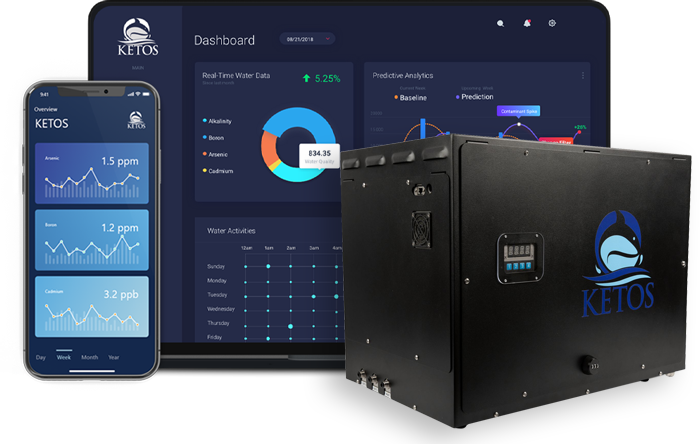
Many chemical manufacturers are updating their processes with smart technology. This includes using Internet of Things (IoT) devices and data analytics for predictive maintenance. Advanced water quality monitoring systems collect real-time data on critical parameters like pH, dissolved solids, and heavy metals, and feed it into centralized analytics platforms.
Smart water quality monitoring systems can collect real-time data and provide insights to prevent problems before they happen. This water quality data can be integrated with other manufacturing data sources using interoperable systems. Applying machine learning and artificial intelligence to this unified data enables the identification of patterns, correlations, and deviations, providing valuable insights for predictive maintenance. This helps companies reduce downtime, prevent water quality issues, and keep production running smoothly.
By leveraging smart water quality monitoring and analytics solutions, chemical companies can operate more efficiently, reliably, and profitably. This supports their modernization efforts and positions them for long-term competitiveness in line with Industry 4.0 principles.
Key Water Contaminants and Their Impact on Different Sub-Sectors
Water quality is vital in chemical manufacturing, where various contaminants can disrupt processes and impact product quality. Below is a summary of key contaminants and their effects across different sub-sectors.
| Sub-Sector | Common Contaminants | Impact |
| Basic Chemical Manufacturing | Heavy metals, pH fluctuations, organic matter | Unwanted reactions, product contamination |
| Resin, Synthetic Rubber, and Synthetic Fibers Manufacturing | Chlorides, dissolved solids, trace metals | Disrupted polymerization, poor product quality |
| Pesticide, Fertilizer, and Agricultural Chemical Manufacturing | Hardness ions, nitrates, phosphates | Reduced pesticide efficacy, unstable mixtures |
| Pharmaceutical and Medicine Manufacturing | Microbial contamination, endotoxins, pyrogens | Compromised sterility, safety risks |
| Paint, Coating, and Adhesive Manufacturing | Suspended solids, organic compounds, particulates | Defective coatings, poor adhesion |
| Soap, Cleaning Compound, and Toilet Preparation Manufacturing | pH imbalances, mineral content, surfactants | Reduced efficacy, stability issues |
Each sub-sector must manage these contaminants effectively to ensure smooth operations, maintain product quality, and comply with regulations.
Concerned about contaminants in your water?
Get lab-certified water testing from KETOS KELP — results you can trust, backed by real data.
Order a Water Test →PFAS and Emerging Contaminant Regulations for Chemical Manufacturers
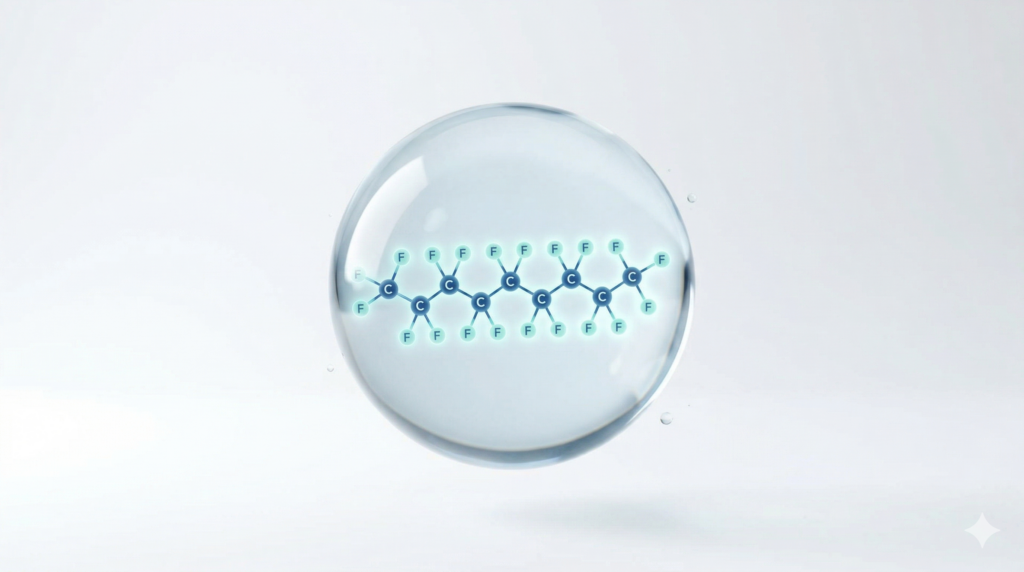
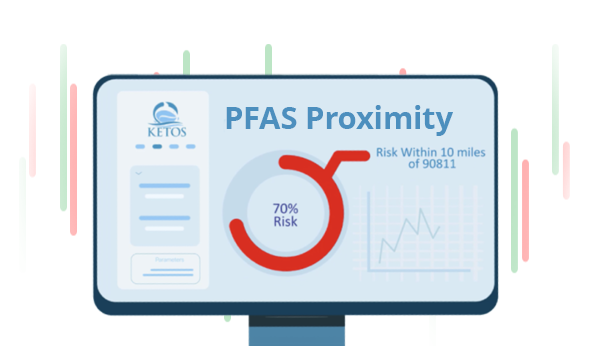
Chemical manufacturers face increasing regulatory pressure around per- and polyfluoroalkyl substances (PFAS) and other emerging contaminants. The EPA’s 2024 National Primary Drinking Water Regulation established enforceable maximum contaminant levels for six PFAS compounds, with compliance deadlines that directly affect chemical manufacturing facilities that discharge to municipal water systems or manage on-site water treatment.
For chemical manufacturers, PFAS regulations create both compliance obligations and operational challenges. Many industrial processes use fluorinated compounds as surfactants, coatings, or process aids, and trace PFAS contamination can enter wastewater streams even in facilities that do not intentionally manufacture these substances. Monitoring for PFAS at parts-per-trillion levels requires analytical capabilities that go beyond traditional water quality testing, making continuous monitoring infrastructure essential for demonstrating compliance and identifying contamination sources early.
Beyond PFAS, state-level regulations are expanding lists of monitored contaminants to include pharmaceutical residues, microplastics, and novel industrial byproducts. Chemical manufacturers that proactively invest in comprehensive real-time water quality monitoring are better positioned to meet evolving requirements without costly retrofits. Parameters like total organic carbon, pH, and turbidity serve as early indicators of process upsets that could lead to contamination events, enabling faster response times and reducing regulatory risk.
Partner with a Water Quality Testing Leader
KETOS offers advanced water analysis services that include real-time water efficiency monitoring , IoT connectivity, and data-driven insights. These solutions help chemical manufacturers maintain efficient, compliant, and forward-thinking operations, supporting modernization and sustainable growth.
For chemical manufacturing, KETOS provides tailored water quality monitoring solutions that ensure process stability and regulatory compliance. Their water quality analysis methods and innovative monitoring capabilities highlight their expertise in enhancing operational efficiency and reducing costs.
To understand how KETOS can improve your water management practices, explore their industrial water quality solutions or contact us for detailed insights and personalized support.
Frequently Asked Questions About Water Quality in Chemical Manufacturing
Why is water quality analysis critical in chemical manufacturing?
Water quality directly affects chemical reactions, product consistency, and equipment longevity. Contaminants such as dissolved minerals, heavy metals, and organic compounds can alter reaction outcomes, reduce product purity, and accelerate corrosion in processing equipment. Regular water quality analysis helps manufacturers maintain tight process control and avoid costly production failures.
What water quality parameters should chemical manufacturers monitor?
Key parameters include pH, conductivity, total dissolved solids (TDS), dissolved oxygen, turbidity, and specific ion concentrations relevant to the manufacturing process. Depending on the chemical sub-sector, additional parameters such as chloride levels, hardness, and silica content may also be essential to monitor for process optimization and regulatory compliance.
How does poor water quality affect chemical production costs?
Poor water quality can increase costs through product defects and batch rejections, accelerated equipment wear and unplanned maintenance, higher chemical treatment expenses, increased energy consumption from scale buildup in heat exchangers, and potential regulatory fines for non-compliant discharge. Proactive water quality monitoring helps prevent these cost drivers before they impact the bottom line.
What regulations govern water quality in chemical manufacturing?
Chemical manufacturers must comply with the Clean Water Act (CWA) and EPA discharge permits (NPDES), along with state-specific environmental regulations. Industry-specific standards may also apply depending on the chemicals produced. Compliance requires consistent monitoring, accurate record-keeping, and timely reporting of water quality data.
How can real-time water quality monitoring benefit chemical manufacturers?
Real-time monitoring systems like KETOS SHIELD provide continuous, automated measurement of 30+ water quality parameters. This enables chemical manufacturers to detect contamination events immediately, optimize treatment processes in real time, reduce manual sampling labor, maintain audit-ready compliance records, and make data-driven decisions that improve both product quality and operational efficiency.