
Water quality monitoring equipment is a critical part of modern infrastructure, even though most people rarely see it. From the water that flows through city pipes to rivers that support wildlife and agriculture, water must be measured, analyzed, and verified before it can be trusted.
Water quality monitoring equipment provides the data that enables this. As communities grow, industries expand, and environmental pressures increase, the demand for reliable water quality monitoring equipment continues to rise.
Understanding how this equipment works, what it measures, and why it matters helps clarify its role in protecting public health and supporting responsible water management.
What Is Water Quality Monitoring Equipment?
Water quality monitoring equipment comprises tools, sensors, instruments, and systems used to measure the physical, chemical, and biological properties of water. These systems can range from handheld field meters to complex laboratory analyzers and continuous monitoring networks installed in treatment plants or natural water bodies.
In simple terms, water quality monitoring equipment collects information about what is in the water and whether it meets required standards. This includes measuring things like pH, temperature, turbidity, dissolved oxygen, nutrient levels, and the presence of specific contaminants.
The goal of water quality monitoring equipment is not only to identify problems but also to prevent them. By consistently tracking water conditions, operators can detect early signs of contamination, system malfunctions, or environmental imbalances.
Why Is Water Quality Monitoring Important?
Water quality monitoring plays a direct role in public safety, environmental protection, and regulatory compliance.
1. Protecting Public Health
Safe drinking water is essential for preventing disease. Water quality monitoring equipment helps identify bacteria, heavy metals, chemical contaminants, and other harmful substances before they pose a threat to communities.
Without regular monitoring, contamination could go unnoticed until it causes serious consequences.
2. Meeting Regulatory Requirements
Federal and state regulations require routine testing of drinking water and wastewater. Utilities must document their testing processes and results.
Water quality monitoring equipment supports these compliance efforts by providing accurate, traceable data.
3. Supporting Environmental Health
Natural ecosystems depend on balanced water chemistry. Monitoring dissolved oxygen, nutrient concentrations, and sediment levels helps scientists understand whether rivers, lakes, and coastal waters are healthy.
Water quality monitoring equipment is used extensively in watershed management and environmental research.
4. Improving Operational Efficiency
Treatment plants and industrial facilities rely on real-time monitoring to adjust chemical dosing, filtration rates, and system controls. When water quality monitoring equipment provides continuous feedback, operators can respond quickly to changes and reduce operational risk.
What Does Water Quality Monitoring Equipment Measure?
Water quality monitoring equipment measures a wide range of parameters. These measurements generally fall into three categories: physical, chemical, and biological.
Physical Parameters
Physical measurements describe visible and structural characteristics of water.
- Temperature: Influences chemical reactions and aquatic life.
- Turbidity: Measures how clear or cloudy water is.
- Total Suspended Solids: Indicates the amount of sediment in water.
High turbidity can interfere with disinfection processes and may signal runoff or pollution events.
Chemical Parameters
Chemical measurements reveal dissolved substances and overall water chemistry.
- pH: Indicates acidity or alkalinity.
- Dissolved Oxygen: Critical for aquatic organisms.
- Conductivity: Reflects dissolved salts and ions.
- Chlorine Residual: Confirms proper disinfection in drinking water.
- Nitrates and Phosphates: Linked to nutrient pollution.
- Heavy Metals: Such as lead, mercury, and arsenic.
Water quality monitoring equipment designed for chemical testing often uses electrochemical or optical sensing technologies.
Biological Indicators
Biological testing focuses on microorganisms and toxins.
- Total coliform bacteria
- E. coli
- Harmful algal toxins
These indicators are especially important in drinking water systems and recreational water monitoring programs.
How Does Water Quality Monitoring Equipment Work?
Water quality monitoring equipment follows a structured process that includes sampling, detection, signal processing, and data reporting.
Step 1: Sampling
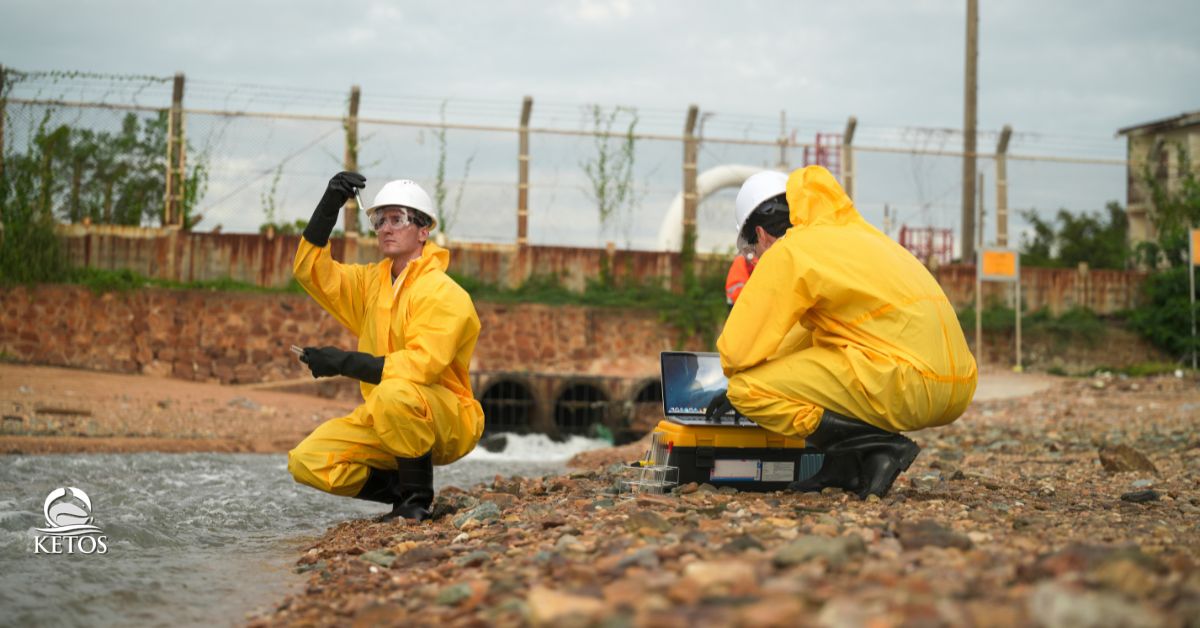
Sampling can occur manually or automatically. In manual sampling, technicians collect water samples for laboratory analysis. In continuous systems, sensors are placed directly in pipelines or water bodies, allowing ongoing measurement.
Continuous water quality monitoring equipment is often used in treatment plants where conditions can change rapidly.
Step 2: Detection Through Sensors
Sensors are the core components of water quality monitoring equipment. Different sensors are used depending on the parameter being measured.
- Electrochemical Sensors: Measure pH, dissolved oxygen, and oxidation-reduction potential.
- Optical Sensors: Use light absorption or scattering to measure turbidity and certain chemicals.
- Ion-Selective Electrodes: Detect specific dissolved ions.
- Conductivity Probes: Measure total dissolved solids indirectly.
Each sensor converts physical or chemical changes into electrical signals.
Step 3: Signal Conversion
The electrical signals generated by sensors are processed by onboard electronics. These signals are converted into digital data that can be displayed as numerical readings.
Modern water quality monitoring equipment often includes automatic temperature compensation and internal diagnostics to improve accuracy.
Step 4: Data Logging and Transmission
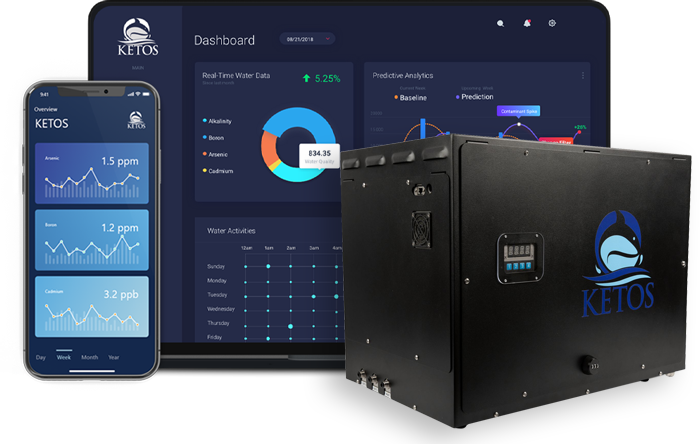
Many systems store data internally and transmit it to remote dashboards or centralized monitoring platforms. Operators can review trends, set alarm thresholds, and generate compliance reports.
Connected water-quality monitoring equipment enables utilities and industrial operators to monitor systems remotely.
Step 5: Calibration and Maintenance
Regular calibration is essential. Over time, sensors can drift or become coated with biological growth, a condition known as biofouling. Maintenance schedules help maintain reliable performance.
What Are the Different Types of Water Quality Monitoring Equipment?
There are several categories of water quality monitoring equipment, each suited to specific applications.
1. Portable Field Equipment
Handheld meters are widely used for field testing. These devices are compact, battery-powered, and capable of measuring pH, conductivity, and dissolved oxygen.
2. Continuous Online Monitoring Systems
These systems are installed permanently within water systems. They provide 24-hour data collection and are commonly used in municipal treatment plants and industrial facilities.
Continuous water-quality monitoring equipment is particularly valuable when rapid response is required.
3. Laboratory Analytical Instruments
Laboratories use advanced equipment such as spectrophotometers and chromatography systems to analyze trace contaminants. Laboratory water quality monitoring equipment is typically used for confirmatory testing.
4. Multi-Parameter Monitoring Stations
These integrated systems measure several parameters simultaneously. They are often used in environmental research and long-term monitoring projects.
How Accurate Is Water Quality Monitoring Equipment?
Accuracy depends on several factors:
- Sensor quality
- Calibration practices
- Environmental conditions
- Maintenance routines
High-quality water quality monitoring equipment can provide highly reliable readings when properly maintained. However, no sensor system is completely free from limitations. Regular verification testing is often used to confirm results.
Environmental factors such as temperature shifts and sediment buildup can influence measurements. Operators must understand these variables when interpreting data.
What Industries Use Water Quality Monitoring Equipment?
Water quality monitoring equipment is used across many industries.
1. Municipal Utilities
Public drinking water and wastewater treatment plants rely heavily on monitoring systems to maintain safe water supplies.
2. Manufacturing and Industrial Facilities
Industrial processes often require controlled water chemistry. Facilities monitor cooling systems, boiler feedwater, and discharge streams.
3. Agriculture and Aquaculture
Farmers use water quality monitoring equipment to evaluate irrigation water. Aquaculture operations monitor dissolved oxygen and temperature to protect fish and shellfish.
4. Energy and Power Generation
Power plants depend on precise water chemistry to prevent corrosion and scale buildup in cooling systems.
5. Environmental Research and Consulting
Scientists and environmental consultants deploy monitoring stations in rivers, lakes, and coastal areas to assess ecosystem health.
Why Is Water Quality Monitoring Equipment Essential Today?
Water is one of the most vital resources in any community. Without accurate information about its condition, decisions about treatment, distribution, and environmental protection would be based on guesswork.
Water quality monitoring equipment provides measurable, reliable data that supports public safety, regulatory compliance, and responsible resource management.
From portable field meters to advanced continuous monitoring networks, water quality monitoring equipment forms the backbone of modern water management systems. As communities and industries continue to depend on clean water, the importance of accurate and consistent monitoring will only increase.
Understanding how water quality monitoring equipment works is not just a technical discussion. It is part of understanding how society protects one of its most essential resources.
Conclusion
Water quality monitoring equipment is more than a technical tool used by engineers and laboratories. It is a practical safeguard that supports safe drinking water, responsible industrial operations, and healthy ecosystems.
Every measurement taken, whether from a handheld meter in the field or a continuous monitoring system inside a treatment plant, contributes to informed decision-making. Reliable water-quality monitoring equipment enables operators to identify issues early, respond with confidence, and maintain compliance with regulatory standards.
It also promotes transparency and accountability, helping communities trust the systems that deliver and manage their water. As environmental pressures increase and water infrastructure becomes more complex, the need for dependable monitoring systems will only grow.
Investing in advanced water quality monitoring solutions is not just about meeting compliance requirements. It is about protecting public health, preserving natural resources, and supporting long-term sustainability.
If you are looking to strengthen your monitoring strategy, contact KETOS to learn how our water quality monitoring solutions can help you achieve greater visibility, control, and confidence in your water management operations.
FAQs
What is water quality monitoring equipment used for?
Water quality monitoring equipment measures the physical, chemical, and biological properties of water. It helps determine whether water is safe for drinking, industrial use, agriculture, or environmental protection. Utilities and facilities rely on it to detect contamination and maintain regulatory compliance.
How does water quality monitoring equipment detect contaminants?
Water quality monitoring equipment uses specialized sensors to detect changes in water chemistry or physical characteristics. These sensors convert chemical or physical reactions into electrical signals that are processed into readable data. Different sensor types are used depending on the specific parameter being measured.
How often should water quality monitoring equipment be calibrated?
Calibration frequency depends on the type of sensor, operating environment, and regulatory requirements. In many systems, calibration is performed monthly or quarterly, while high-risk applications may require more frequent checks. Regular calibration helps maintain measurement accuracy and reliability.
Can water quality monitoring equipment detect bacteria?
Some water quality monitoring equipment can detect indicators of bacterial contamination, such as total coliform or E. coli. However, confirmatory laboratory testing is often required for precise microbial identification. Continuous monitoring systems may provide early warning signs that prompt further testing.
What is the difference between portable and continuous water quality monitoring equipment?
Portable water quality monitoring equipment is designed for spot testing in the field and is typically handheld. Continuous monitoring equipment is permanently installed and collects data around the clock. Continuous systems are commonly used in municipal and industrial facilities where real-time monitoring is necessary.