
Continuous water quality monitoring has become a central part of modern industrial operations. What was once viewed primarily as an environmental requirement is now recognized as a practical tool for managing risk, protecting equipment, and improving performance.
In facilities where water plays a role in cooling, processing, cleaning, or discharge, continuous water quality monitoring provides visibility that periodic testing simply cannot match. Industrial leaders are under pressure from multiple directions.
Regulatory standards are evolving. Operational costs are rising. Stakeholders expect responsible environmental practices. At the same time, equipment has become more advanced and more sensitive to changes in water chemistry.
In this environment, continuous water quality monitoring is not just helpful; it is essential. This article explains what continuous water quality monitoring is, how it works, why it matters, and how industrial facilities can implement it effectively.
What Is Continuous Water Quality Monitoring?
Continuous water quality monitoring refers to the automated, real-time measurement of key water parameters using installed sensors and data systems. Instead of relying on manual sampling at set intervals, continuous water quality monitoring collects data frequently, often every few minutes or even seconds.
In a traditional setup, operators might take water samples once per day, once per week, or once per month. Those samples are sent to a lab for analysis. The results represent a single moment in time. If conditions change between samples, the issue may not be detected until later.
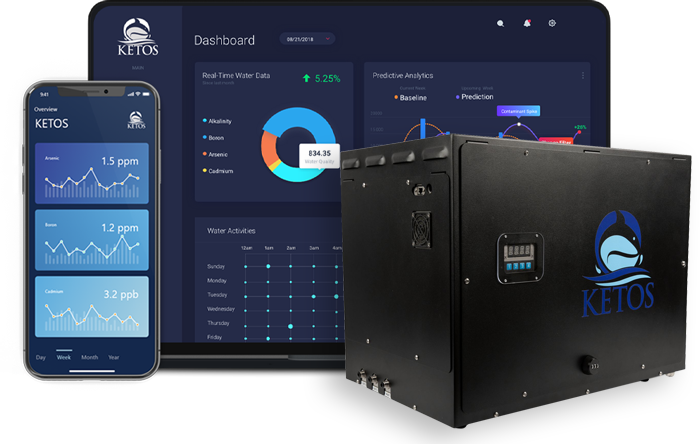
With continuous water quality monitoring, sensors remain in place and record ongoing measurements. Data is transmitted to dashboards or control systems, allowing operators to see trends and respond quickly to changes.
This shift from periodic testing to continuous visibility changes how facilities manage water systems.
Why Has Continuous Water Quality Monitoring Become So Important?
Water is deeply integrated into industrial processes. It cools machinery, generates steam, supports chemical reactions, cleans equipment, and carries waste streams.
When water quality changes unexpectedly, the impact can be immediate and expensive. There are several reasons continuous water quality monitoring has become more important in recent years:
- Regulatory oversight has increased in many regions.
- Equipment is more advanced and more sensitive to scaling and corrosion.
- Sustainability reporting has become a business priority.
- Unplanned downtime is more costly than ever.
Continuous water quality monitoring addresses all four concerns by providing accurate, timely information. One lesser-known reality in industrial operations is that many water-related incidents are short-lived but damaging.
A pH shift that lasts only a few hours can cause corrosion in a boiler. A temporary spike in suspended solids can foul a heat exchanger. Without continuous monitoring, these short events may never appear in routine reports, even though the damage has already occurred.
How Does Continuous Water Quality Monitoring Work?
A continuous water quality monitoring system typically includes three main elements.
1. Sensors and Probes
Sensors measure physical and chemical properties such as pH, conductivity, dissolved oxygen, turbidity, temperature, and oxidation-reduction potential. In some facilities, additional sensors measure ammonia, nitrates, chlorine, or specific metals.
These sensors are installed directly in pipelines, tanks, cooling systems, or discharge channels. They are designed to operate in industrial conditions, which may include high temperatures, pressure, and chemical exposure.
2. Data Collection and Communication
Sensors transmit readings to a data logger or control unit. The information is then displayed on local control panels or cloud-based dashboards.
Operators can view real-time readings, track historical trends, and set alert thresholds. Continuous water quality monitoring systems can also integrate with supervisory control and data acquisition systems, enabling automated responses when values exceed acceptable limits.
3. Alerts and Reporting
One of the most valuable features of continuous water quality monitoring is automated alerts. If pH exceeds a threshold or conductivity exceeds a preset level, the system can notify staff immediately. This reduces response time and limits potential damage.
The data is also stored for compliance reporting and internal analysis. This creates a reliable digital record of water conditions over time.
What Parameters Are Monitored in Continuous Water Quality Monitoring?
The specific parameters depend on the industry and application, but several measurements are common across facilities:
- pH: Indicates acidity or alkalinity. Critical for corrosion control and chemical reactions.
- Conductivity: Reflects dissolved ions in the water. Used to monitor total dissolved solids.
- Dissolved Oxygen: Important in biological treatment systems and corrosion prevention.
- Turbidity: Measures clarity and suspended solids.
- Temperature: Influences reaction rates and equipment performance.
- Oxidation Reduction Potential: Used to monitor disinfectant levels.
In wastewater treatment settings, continuous water quality monitoring may also include chemical oxygen demand, ammonia, or nutrient concentrations. In power plants, conductivity and pH control are especially important for boiler feedwater.
Selecting the right parameters is a critical step in designing a successful monitoring system.
How Does Continuous Water Quality Monitoring Improve Compliance?
Compliance with discharge permits and environmental regulations is a primary concern for industrial facilities. Violations can result in fines, operational restrictions, and reputational harm.
Continuous water quality monitoring strengthens compliance in several ways:
- It provides real-time visibility into discharge conditions.
- It creates automatic digital records.
- It reduces reliance on manual documentation.
- It supports faster corrective action.
When regulators review compliance data, facilities with continuous water quality monitoring often have more complete and defensible records. Instead of presenting occasional laboratory results, they can provide continuous data streams that demonstrate consistent performance.
In practice, this reduces uncertainty. It also helps environmental managers identify trends before they become violations.
Does Continuous Water Quality Monitoring Reduce Operating Costs?
Many facilities report cost savings after implementing continuous water quality monitoring. Savings may come from:
- Optimized chemical dosing
- Reduced manual sampling labor
- Fewer emergency repairs
- Lower downtime costs
- Improved energy efficiency
Without continuous monitoring, operators often rely on conservative chemical dosing to avoid risk. This can lead to excessive use of treatment chemicals.
Real time data allows for more precise adjustments, reducing waste. Additionally, identifying issues early prevents costly shutdowns.
Even a few hours of unplanned downtime in a manufacturing or power generation facility can result in significant losses.
Which Industries Benefit Most From Continuous Water Quality Monitoring?
1. Manufacturing Facilities
Manufacturing plants use water in cooling systems, washing lines, and wastewater discharge. Continuous water quality monitoring helps maintain stable process conditions and reduces equipment wear.
2. Power Generation
Power plants depend on tightly controlled water chemistry in boilers and cooling loops. Continuous monitoring supports stable operation and reduces corrosion risk.
3. Food and Beverage Production
Water is often part of the product or used in sanitation. Continuous water quality monitoring supports quality control and reduces contamination risk.
4. Chemical and Pharmaceutical Facilities
These industries operate under strict internal standards. Continuous monitoring supports consistent production and regulatory compliance.
5. Mining and Heavy Industry
Remote locations and large-scale water usage make manual sampling difficult. Continuous water quality monitoring provides reliable data with less labor.
Why Should Industrial Leaders Prioritize Continuous Water Quality Monitoring Now?
Industrial facilities face increasing pressure to operate efficiently and responsibly. Water is both a critical resource and a potential risk factor.
Continuous water quality monitoring provides clarity. It reduces guesswork, supports compliance, protects assets, and improves operational stability.
Waiting until a violation or equipment failure occurs is reactive and costly. Proactive investment in continuous water quality monitoring positions facilities to manage risk effectively.
For organizations committed to long-term performance, continuous water quality monitoring is not simply a regulatory requirement. It is a practical foundation for stable operations, cost control, and environmental responsibility.
Conclusion
Continuous water quality monitoring has evolved from a technical enhancement into a core operational strategy. In industrial facilities, it plays a direct role in protecting critical equipment, supporting regulatory compliance, managing costs, and strengthening environmental performance.
By replacing periodic sampling with real-time data, continuous water quality monitoring gives operators clearer insight into system conditions. Teams can detect small shifts before they develop into serious problems. This improves response times, supports more accurate reporting, and enables better decisions across operations, maintenance, and compliance functions.
As regulations tighten and operational demands grow, relying solely on limited testing intervals increases risk. Facilities that invest in continuous water quality monitoring gain greater stability, transparency, and a solid foundation for long-term improvement.
For industrial leaders focused on reliability and responsible resource management, continuous water quality monitoring is about more than water management. It is about building resilient systems that can adapt, perform, and remain compliant in a complex environment.
If you are ready to strengthen your strategy, contact KETOS to learn how our advanced water quality monitoring solutions can support your facility’s performance, compliance, and long-term success.
FAQs
What is continuous water quality monitoring?
Continuous water quality monitoring is the real-time measurement of water parameters using installed sensors and automated systems. Instead of collecting samples occasionally, the system records data frequently, allowing operators to track changes as they happen. This provides better visibility into water conditions and supports faster decision-making.
How is continuous water quality monitoring different from manual sampling?
Manual sampling involves collecting water at specific intervals and sending it to a lab for testing. Continuous water quality monitoring uses in place sensors that measure water conditions continuously and transmit the data automatically. This reduces delays and helps detect short-term changes that periodic testing might miss.
What parameters are typically measured in continuous water quality monitoring?
Common parameters include pH, conductivity, dissolved oxygen, turbidity, temperature, and oxidation-reduction potential. Depending on the industry, facilities may also monitor ammonia, nitrates, chlorine, or chemical oxygen demand. The selected parameters depend on operational needs and regulatory requirements.
Is continuous water quality monitoring required by law?
Requirements vary by region and industry. Some facilities are required to conduct regular monitoring under discharge permits, but not all are mandated to use continuous systems. However, many organizations adopt continuous water quality monitoring voluntarily to reduce compliance risk and improve operational control.
Does continuous water quality monitoring reduce costs?
In many cases, yes. Continuous water quality monitoring can help optimize chemical dosing, prevent equipment damage, and reduce manual testing labor. By identifying problems early, facilities can avoid costly downtime and repairs, leading to long-term savings.
Ready to implement continuous monitoring in your facility? See how automated water quality monitoring systems combine IoT hardware, cloud dashboards, and predictive analytics to deliver lab-grade accuracy without the manual overhead.