

Industrial facilities rely on water every day. It moves heat, supports production, cleans equipment, and carries waste away from processes.
Because water plays such a central role, its quality directly affects safety, efficiency, compliance, and long-term costs. A properly designed water quality monitoring system helps facilities track and manage water conditions in real time.
Instead of reacting to problems after damage occurs, operators can identify changes early and take corrective action. In today’s regulatory and operational environment, installing a water quality monitoring system is not simply a technical upgrade.
It is a practical step toward protecting assets, maintaining compliance, and improving overall performance. This guide explains why every industrial facility should consider implementing a water quality monitoring system and how it delivers measurable operational value.
What Is a Water Quality Monitoring System in an Industrial Facility?
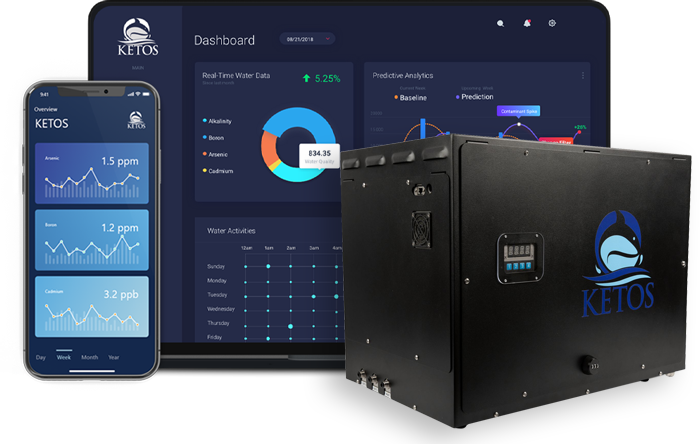
A water quality monitoring system is a set of sensors, controllers, and software that continuously measure important water parameters. These systems track conditions such as pH, conductivity, turbidity, dissolved oxygen, temperature, and total dissolved solids.
Data is collected in real time and displayed through dashboards or control systems. In industrial environments, water monitoring systems often connect directly to existing plant infrastructure such as SCADA platforms or programmable logic controllers.
This allows operators to view readings, set alerts, and maintain digital records.
The main difference between manual water testing and a water quality monitoring system is consistency. Manual sampling provides snapshots. A monitoring system provides continuous visibility. That difference can significantly reduce operational risk.
Why Is Water Quality So Important in Industrial Operations?
Water quality affects nearly every part of an industrial operation. Even small variations in chemical balance or contamination levels can create serious consequences.
1. Equipment Protection
Cooling towers, boilers, heat exchangers, and process piping are sensitive to water chemistry. If water becomes too acidic or alkaline, corrosion can accelerate.
If mineral content rises, scaling can reduce heat transfer efficiency. Biofouling can block pipes and reduce system performance.
A water quality monitoring system continuously tracks these conditions. When readings move outside acceptable ranges, alerts notify operators before major damage occurs.
This helps extend equipment life and reduce unplanned repairs.
2. Product Quality
In industries such as food processing, pharmaceuticals, and chemical manufacturing, water quality can influence the final product. Contaminants or improper chemical balance may lead to rejected batches or regulatory concerns.
By using a water quality monitoring system, facilities can maintain tighter control over process inputs. Consistent monitoring supports consistent output.
3. Operational Stability
Water systems that fluctuate without oversight can create instability across production lines. Monitoring reduces uncertainty.
When operators understand water trends, they can make informed adjustments that improve efficiency.
What Happens Without a Water Quality Monitoring System?
Facilities that rely solely on periodic testing face greater risk. Problems may develop between testing intervals. By the time they are discovered, damage may already be done.
Common risks include:
- Corrosion of metal surfaces
- Scale buildup inside heat exchangers
- Reduced cooling efficiency
- Microbial growth in storage tanks
- Regulatory violations related to discharge
- Production downtime
A water quality monitoring system reduces these blind spots. Continuous data helps identify patterns that manual checks may miss.
Over time, this proactive approach supports both safety and cost control.
Which Parameters Does a Water Quality Monitoring System Measure?
The specific parameters depend on the industry and process, but most systems measure several core indicators.
1. pH
pH measures acidity or alkalinity. Extreme pH levels can damage equipment and alter chemical reactions. Maintaining balanced pH levels helps prevent corrosion and scaling.
2. Conductivity
Conductivity reflects the concentration of dissolved ions in water. High conductivity may indicate excessive mineral content, which can lead to scale formation or inefficiencies.
3. Turbidity
Turbidity measures water clarity. High turbidity can signal contamination or suspended solids that affect processes or discharge compliance.
4. Dissolved Oxygen
Dissolved oxygen levels can influence corrosion rates and biological activity. Monitoring oxygen levels helps protect pipelines and cooling systems.
5. Temperature
Water temperature affects reaction rates and system efficiency. Continuous temperature tracking supports stable operations.
6. Total Dissolved Solids
Total dissolved solids represent the combined concentration of dissolved substances. Monitoring these levels helps maintain system balance.
A well-configured water quality monitoring system tracks these parameters together, allowing operators to view trends instead of isolated readings.
How Does Continuous Monitoring Improve Efficiency?
A key advantage of a water quality monitoring system is real-time insight. Instead of waiting for laboratory results, operators can see changes as they occur.
1. Early Detection
Small chemical shifts often precede major failures. Continuous monitoring allows early intervention.
Adjusting treatment programs before scale forms or corrosion accelerates prevents larger expenses.
2. Improved Chemical Dosing
Facilities often add chemicals to control corrosion, scaling, or microbial growth. Without accurate data, overuse or underuse can occur.
A water quality monitoring system provides feedback that supports precise dosing.
3. Reduced Energy Waste
Scale buildup reduces heat transfer efficiency. This forces systems to consume more energy.
Monitoring water quality helps maintain clean heat exchange surfaces and stable performance.
4. Predictive Maintenance
Long-term data trends allow maintenance teams to anticipate issues. Instead of reacting to emergencies, they can schedule maintenance strategically.
Is a Water Quality Monitoring System Required for Compliance?
Many industrial facilities operate under discharge permits or environmental standards that require water testing and documentation. While not all regulations require automated monitoring, a water quality monitoring system simplifies compliance efforts.
Digital records provide clear documentation of conditions over time. Automated reporting features reduce administrative burden.
In the event of inspections, organized data supports transparency. Facilities that monitor continuously are often better prepared to demonstrate responsible water management.
How Does a Water Quality Monitoring System Reduce Costs?
Although installing a water quality monitoring system involves upfront investment, the long-term financial impact often justifies the expense.
1. Preventing Equipment Failure
Replacing corroded pipes or damaged heat exchangers is expensive. Early detection of water imbalance helps prevent these failures.
2. Avoiding Downtime
Unexpected shutdowns disrupt production schedules and reduce revenue. Continuous monitoring lowers the likelihood of sudden system breakdowns.
3. Lower Chemical Expenses
Precise treatment adjustments prevent unnecessary chemical use. Over time, optimized dosing reduces material costs.
4. Minimizing Regulatory Penalties
Non-compliance can lead to fines and corrective actions. Maintaining accurate monitoring records helps reduce this risk.
When evaluating the total cost of ownership, a water quality monitoring system supports predictable budgeting and reduced emergency spending.
Which Industries Benefit Most from a Water Quality Monitoring System?
While nearly every industrial facility uses water, certain industries depend on strict water control.
1. Power Generation
Power plants rely on cooling systems and boilers that require stable water chemistry. Monitoring protects efficiency and equipment integrity.
2. Manufacturing
Manufacturing plants use water in processing, cooling, and cleaning. A water quality monitoring system helps maintain consistent operating conditions.
3. Food and Beverage
Water quality directly influences product safety and quality. Continuous oversight supports regulatory standards and brand protection.
4. Pharmaceutical Production
Precise control of water purity is critical. Monitoring systems provide traceable documentation and stable process conditions.
5. Oil and Gas
Water is used in drilling, refining, and treatment operations. Monitoring supports both operational safety and environmental management.
6. Data Centers
Cooling systems depend on stable water conditions to maintain reliable temperature control. Monitoring protects uptime.
Each of these sectors benefits from accurate, real-time water data.
How Does Automated Monitoring Compare to Manual Testing?
Manual water testing has value, especially for detailed laboratory analysis. However, it cannot replace continuous oversight.
| Feature | Manual Testing | Water Quality Monitoring System |
| Frequency | Periodic | Continuous |
| Response Time | Delayed | Immediate |
| LaborRequired | Higher | Lower |
| Data Records | Paper or spreadsheets | Digital logs |
| Risk Exposure | Higher between tests | Reduced |
A water quality monitoring system complements laboratory testing by filling the gaps between sample intervals.
How Does a Water Quality Monitoring System Support Sustainability Goals?
Environmental responsibility has become an important consideration for industrial operations. Effective water management supports long-term sustainability objectives.
1. Reduced Waste
Monitoring helps optimize water use and reduce unnecessary discharge.
2. Improved Resource Management
Continuous data allows facilities to identify inefficiencies and improve conservation strategies.
3. Transparent Reporting
Digital records support internal sustainability tracking and reporting requirements.
A water quality monitoring system provides measurable evidence of responsible water stewardship.
What Should Facilities Consider When Choosing a Water Quality Monitoring System?
Selecting the right system requires careful evaluation.
1. Operational Needs
Identify which water streams require monitoring. Cooling water, boiler feed water, and wastewater may have different requirements.
2. Required Parameters
Determine which measurements are necessary for compliance and operational stability.
3. Integration
Ensure the water quality monitoring system can integrate with existing plant controls.
4. Vendor Experience
Choose providers with industrial expertise and support capabilities.
5. Scalability
Facilities should consider future expansion and system flexibility.
A thoughtful selection process increases the likelihood of long-term success.
Conclusion
Water plays a critical role in industrial performance. When its quality is not properly managed, the consequences can include corrosion, contamination, downtime, regulatory issues, and unnecessary costs.
A water quality monitoring system provides continuous visibility into key water parameters. It supports equipment protection, compliance management, operational efficiency, and sustainability efforts. While manual testing remains useful, continuous monitoring provides a broader, more reliable view of overall system health.
For industrial facilities seeking stability and long-term cost control, investing in a well-designed water quality monitoring system is a practical and responsible decision. Continuous oversight turns water from a potential liability into a managed asset that supports safe and efficient operations.
If your facility is ready to strengthen its water management strategy, contact KETOS to learn how our water quality monitoring solutions can support your operational goals. Our team can help you implement reliable, data-driven monitoring systems that improve visibility, reduce risk, and support long-term performance.
FAQs
What does a water quality monitoring system measure?
A water quality monitoring system measures key parameters, including pH, conductivity, turbidity, dissolved oxygen, temperature, and total dissolved solids. Some systems also track specific contaminants depending on industry requirements. Continuous measurement helps facilities maintain stable operating conditions.
How often should an industrial facility use a water quality monitoring system?
Most industrial facilities benefit from continuous monitoring rather than periodic testing. A water quality monitoring system provides real-time data, enabling immediate detection of changes. This reduces the risk of equipment damage or compliance issues between manual testing intervals.
Can a water quality monitoring system reduce operational costs?
Yes. A water quality monitoring system can lower costs by preventing corrosion, scaling, and unplanned shutdowns. It also helps optimize chemical dosing and improve energy efficiency, thereby reducing long-term maintenance and operating expenses.
Is a water quality monitoring system necessary for regulatory compliance?
Many industrial facilities must document water conditions to meet discharge permits or environmental standards. A water quality monitoring system simplifies record-keeping and provides organized digital data. This helps facilities demonstrate compliance during inspections.
Can a water quality monitoring system integrate with existing plant controls?
Yes. Many modern water-quality monitoring system platforms integrate with SCADA systems, PLCs, and facility management software. This allows operators to view water data alongside other system metrics and respond quickly to alerts.