

Mining plays a vital role in supplying the raw materials needed for energy, construction, and technology. But once the valuable resources are extracted, the land often bears the burden: eroded landscapes, contaminated water, and degraded ecosystems. Mine reclamation is the process that helps reverse these impacts and restore the land for future use, whether that means returning it to nature, agriculture, or safe industrial reuse.
Why Reclamation Planning Starts Before Mining Begins
Effective mine restoration begins long before excavation. Reclamation planning is a core requirement during the mine permitting stage. Regulatory agencies require detailed plans that outline how disturbed land and water will be stabilized, treated, and reused after mining activities cease. These plans typically include:
- Site-specific topography and hydrology studies;
- Soil characterization and preservation strategies;
- Post-mining land use goals (e.g., forestry, pasture, wetlands); and
- Detailed waste management and water treatment procedures.
Planning ensures that proper environmental safeguards are in place and that post-closure land uses are realistic and achievable.
Landform Reshaping and Soil Stabilization
Once mining ends, the first step in land reclamation is to reshape the disturbed terrain. This involves filling pits, regrading overburden, and reestablishing natural-looking contours that support drainage and vegetation growth. Stabilizing the reshaped land reduces the risk of erosion and sedimentation, especially during rain events.
Soil stabilization techniques often include:
- Applying erosion control blankets and geotextiles;
- Hydroseeding slopes with quick-growing grass species; and
- Using sediment control fences around drainage paths.
Proper landform design also prevents hazardous ponding and promotes natural water flow, reducing downstream environmental impact.
Need real-time water quality monitoring?
KETOS SHIELD continuously monitors 30+ parameters — replacing manual testing with automated, lab-accurate data.
Schedule a Demo →Topsoil Management and Reapplication
Topsoil is the most nutrient-rich part of the earth’s surface and is essential for plant regrowth. During active mining, topsoil is carefully stripped and stored to preserve its biological integrity. Once reshaping is completed, the saved topsoil is reapplied as a growth medium for vegetation.
Successful topsoil management supports root development, soil biodiversity, and the restoration of native flora. Monitoring for compaction and nutrient loss helps ensure that the re-applied layer supports long-term ecological function.
Revegetation with Native Plant Species
Revegetation is one of the most visible aspects of mine restoration. It signals ecological recovery and stabilizes the land. Planting native species accelerates habitat renewal, controls erosion, and promotes biodiversity.
Common revegetation practices include:
- Broadcast seeding or hydroseeding with native grasses and legumes;
- Transplanting tree seedlings in structured rows or natural clusters; and
- Establishing pollinator habitats to support insect and bird life.
Revegetation schedules are planned around seasonal rainfall and soil moisture levels, with ongoing maintenance during the early growth period.
Water Resource Management and Wastewater Treatment
Mining can disrupt groundwater and surface water systems, introducing contaminants like heavy metals, nitrates, and acid runoff. Post-mining water monitoring and mining wastewater management are necessary to protect aquatic ecosystems and nearby communities.
Key techniques in mining wastewater management include:
| Method | Purpose |
| Constructed Wetlands | Filter metals and nutrients naturally using aquatic plants |
| Reverse Osmosis Systems | Remove dissolved contaminants from acidic mine water |
| Settling Ponds | Capture and treat sediment-laden runoff before it enters waterways |
| pH Adjustment | Neutralize acid mine drainage to meet regulatory standards |
Long-term water quality testing helps verify compliance with environmental standards and guides corrective action if pollution is detected.
Legal Compliance and Regulatory-Driven Water Monitoring
Water quality monitoring in post-mining operations is often required by law. Local, state, and federal agencies enforce environmental regulations that mandate regular testing and reporting to ensure that mining activities do not pollute surrounding ecosystems or harm public health.
Regulations typically require mine operators to:
- Test for specific contaminants such as heavy metals, nitrates, pH levels, and total suspended solids.
- Comply with discharge limits for effluent and surface water runoff.
- Submit water quality reports to environmental regulatory bodies.
- Implement corrective measures when thresholds are exceeded.
In the United States, the Clean Water Act requires operators to maintain National Pollutant Discharge Elimination System (NPDES) permits. These permits specify testing frequency, sampling locations, and allowable discharge levels. Similar frameworks exist in countries like Canada, Australia, and across the European Union.
Fulfilling these requirements helps avoid penalties, project delays, or shutdowns. More importantly, consistent compliance supports long-term environmental goals and community expectations. By integrating real-time water monitoring solutions, operators can maintain transparency and stay aligned with evolving regulatory standards.
Monitoring and Maintenance Over Time
Mine reclamation is not a one-time event. It requires years of monitoring and adaptive maintenance to ensure that reclaimed land remains stable, productive, and safe. Monitoring often includes:
- Soil erosion inspections and slope stability checks;
- Vegetation growth rate measurements and weed control;
- Surface and groundwater quality analysis; and
- Wildlife presence and habitat use tracking
Data from these activities guides further improvements, like reseeding, regrading, or installing additional drainage features. Monitoring reports are often submitted to environmental agencies to demonstrate progress and regulatory compliance.
Mine Restoration Outcomes and Sustainable Use
When successful, land reclamation creates lasting value. Former mine sites have been converted into community parks, wetlands, grazing land, or renewable energy zones. Sustainable outcomes depend on collaboration between mining firms, regulators, environmental scientists, and local stakeholders.
Some mine restorations even contribute to carbon sequestration or watershed health by reforesting large areas or restoring riparian zones. The outcome should reflect the region’s ecological capacity and the community’s development goals.
Recent studies emphasize the importance of public perception and scientific evaluation in reclamation success. For example, a study conducted in Ganzhou, Jiangxi, highlighted that community satisfaction plays a critical role in measuring the effectiveness of ecological restoration. Likewise, field research in the Qinghai-Tibet Plateau demonstrates how site-specific methods like soil reconstruction and organic amendments significantly improve vegetation recovery in post-mining zones.
How Technology Is Improving Reclamation Efficiency
Modern reclamation is becoming smarter thanks to data-driven platforms that allow operators to respond quickly to environmental changes. Technologies such as real-time water sensors, aerial drone imaging, and automated weather stations reduce labor time and improve accuracy.
Water quality monitoring platforms with predictive features can help identify potential risks early, before they impact compliance or public health. These tools allow for:
- Faster detection of contaminants like nitrates, selenium, or heavy metals;
- Better planning of treatment processes based on data trends; and
- 24/7 alerts when water thresholds are exceeded.
With real-time insights, mine operators can make informed decisions that support environmental recovery while staying ahead of regulatory requirements.
Smarter Mine Reclamation with KETOS Technology
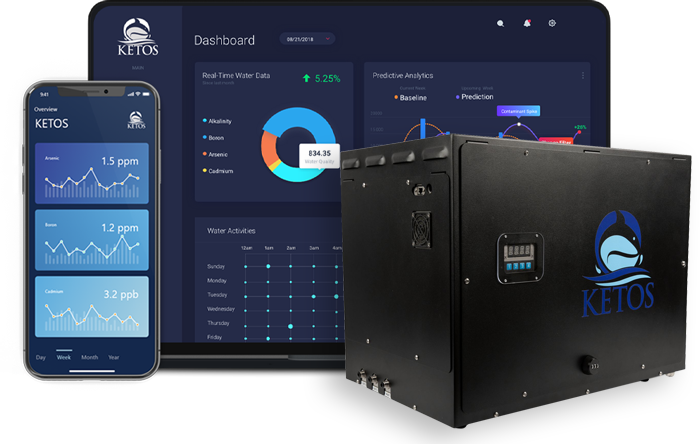
Reclaiming a mine site takes more than good intentions. It takes actionable data and dependable tools. KETOS supports industrial teams in managing mine restoration through automated water quality monitoring, predictive analytics, and real-time reporting. With our EPA-compliant SHIELD system and IoT-enabled WAVE platform, mine operators can track over 30 water parameters without the need for on-site sampling or lab testing.
Our solution is designed to help your team manage post-mining environmental impact with greater speed, accuracy, and efficiency. KETOS provides:
- Real-time monitoring of wastewater, runoff, and surface water quality.
- Automated sampling and lab-accurate testing for over 30 water parameters.
- Predictive alerts to prevent compliance issues before they happen.
- Integration with SCADA systems and cloud-based reporting dashboards.
- Zero capital expense with unlimited testing and full support included.
Support greener mining operations and long-term reclamation success with advanced digital water intelligence. Contact KETOS today to request a demo and see how our technology can help you reclaim with confidence.
Frequently Asked Questions About Mine Reclamation
What is the mine reclamation process?
Mine reclamation is the process of restoring land disturbed by mining to a stable, productive, and environmentally safe condition. It includes landform reshaping, topsoil replacement, revegetation with native species, water resource management, and long-term monitoring to ensure ecological recovery and regulatory compliance.
How long does mine reclamation take?
Mine reclamation timelines vary widely depending on the size of the operation, the type of mining, and environmental conditions. Active reclamation work may take 2–5 years, but regulatory monitoring and bond release requirements often extend 10–20 years or more to verify that revegetation, water quality, and soil stability meet long-term standards.
What water quality parameters are monitored during mine reclamation?
Key parameters include pH, heavy metals (arsenic, lead, mercury, cadmium), total dissolved solids, sulfate concentrations, turbidity, and dissolved oxygen. Acid mine drainage—caused by sulfide minerals reacting with water and air—is a primary concern, requiring continuous pH and metals monitoring to protect downstream waterways.
What regulations govern mine reclamation in the United States?
The Surface Mining Control and Reclamation Act (SMCRA) of 1977 governs coal mine reclamation, while hardrock mining falls under a mix of the Clean Water Act, NEPA, and state-level regulations. NPDES permits set specific discharge limits for water quality, and operators must post reclamation bonds that are only released after meeting all environmental standards.
How does real-time monitoring improve mine reclamation outcomes?
Real-time water quality monitoring enables early detection of acid mine drainage, contaminant spikes, or treatment system failures—catching problems in minutes rather than waiting for quarterly lab results. Platforms like KETOS SHIELD provide continuous data on 30+ parameters, helping operators maintain compliance and accelerate bond release timelines.